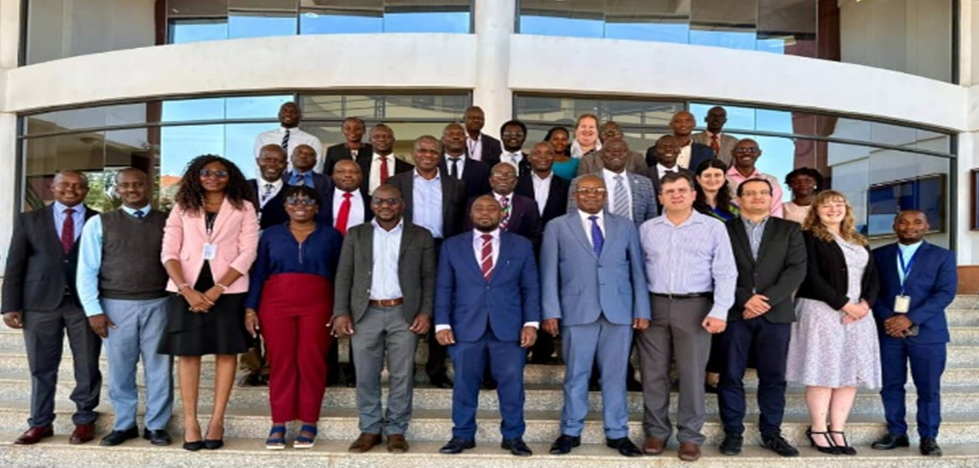
Figure 1: Participants at the national launch of the Groundwater for Advancing Resilience (G4DR) project pose for a group photo at the Ministry of Water and Environment Headquarters in Luzira, Kampala.
The Groundwater for Advancing Resilience (G4DR) in Africa project activities have now taken off in Uganda, where one of the project’s case study areas is located in the Upper Nile Water Management Zone (UNMZ). The national launch and subsequent stakeholder engagement in the Upper Nile Water Management Zone mark the start of a coordinated effort to strengthen understanding, protection, and sustainable use of groundwater; an essential but often invisible resource for millions of Ugandans.
Funded by the Global Environment Facility (GEF), implemented by FAO and executed by the International Institute for Applied Systems Analysis (IWMI) and IIASA, G4DR aims to improve groundwater monitoring, data systems and long-term resilience across five African countries. In Uganda, activities are focused on the Upper Nile Water Management Zone (UNWMZ), a region facing rapid urbanisation, refugee inflows, prolonged dry spells and rising water demand. This context makes groundwater particularly vital and vulnerable. The project focuses on enhancing the understanding of groundwater in the zone, strengthening monitoring, and ensuring its inclusion in catchment planning.
National Launch Highlights and Emerging Technical Priorities
On the 4th of November 2025, the G4DR project was officially launched at the Ministry of Water and Environment Headquarters in Luzira, Kampala (Figure 1), attended by a diverse group of institutions and stakeholders, including representatives from the Ministry of Water and Environment (MWE), the Ministry of Agriculture, Animal Industry and Fisheries, the Ministry of Energy and Mineral Development, the National Environment Management Authority (NEMA), the National Water and Sewerage Corporation (NWSC), Makerere University, the Water Resources Institute, UNICEF and project team members from IIASA and IWMI; including representatives from academia, civil society, and local water management authorities amongst others. The diversity of institutions represented highlighted the national importance of groundwater and the shared commitment to improving its governance.
During the opening remarks from Dr Callist Tindimugaya, Commissioner for Water Resources Planning and Regulation, representing the Permanent Secretary at the launch, emphasised the critical importance of groundwater to Uganda’s socio-economic development. He noted that most rural areas and many growing towns depend heavily on this resource for drinking, farming, small businesses and environmental sustainability. His reflections highlighted how closely aligned the G4DR project is to the realities in Uganda, particularly the need to secure this vital resource through an inclusive, data-driven management approach.
A facilitated discussion highlighted a range of groundwater challenges, including vandalism of installations, unregulated abstraction, poor sanitation, ageing infrastructure, climate pressures and complex geology—alongside opportunities such as strong community engagement, favourable aquifer characteristics and growing interest in strengthening groundwater data. These insights pointed to a clear need for stronger analytical tools and better information systems, creating a natural entry point for the next conversation: how groundwater modelling could help make sense of these complex, interlinked issues. As the discussion progressed, attention turned to modelling as a way to translate these challenges into a clearer understanding of how the aquifer behaves and how it might respond to future pressures. Participants raised legitimate concerns about modelling in a data-scarce and geologically complex environment. The Ministry reassured stakeholders of its commitment to supplying available datasets, while the IIASA team demonstrated that similar models have been successfully applied in equally challenging contexts. This exchange shifted the conversation from identifying problems to exploring practical, evidence-based pathways for addressing them, particularly rehabilitating monitoring sites, strengthening data systems and refining existing catchment management plans to support future modelling work.
Stakeholder Engagement in Gulu: Local Realities and Community Voices
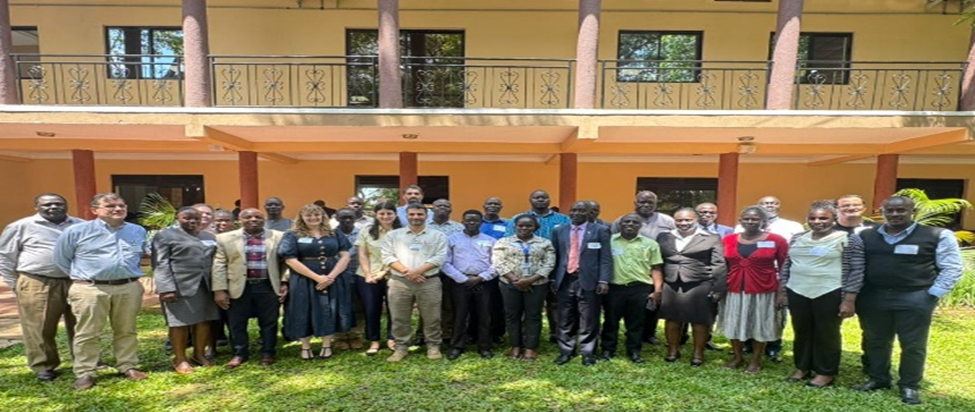
Figure 2: Stakeholders from government institutions, district authorities and partner organisations during the G4DR Stakeholder Engagement Workshop held in Gulu City, Upper Nile Water Management Zone.
From 6–7 November, a stakeholder engagement workshop was held in Gulu City (Figure 2). Government agencies, district leaders, technical experts, development partners and community representatives explored how G4DR could support more sustainable groundwater use. Participants emphasised that technical tools must be paired with strong institutional coordination, transparent information-sharing, and active community participation for groundwater management to succeed. Structured exercises enabled districts to identify priority challenges—such as non-functional boreholes, weak coordination structures and limited data sharing—and propose practical entry points for G4DR interventions. These sessions helped build collective ownership of the project and established a shared understanding of where collaboration can have the most direct impact.
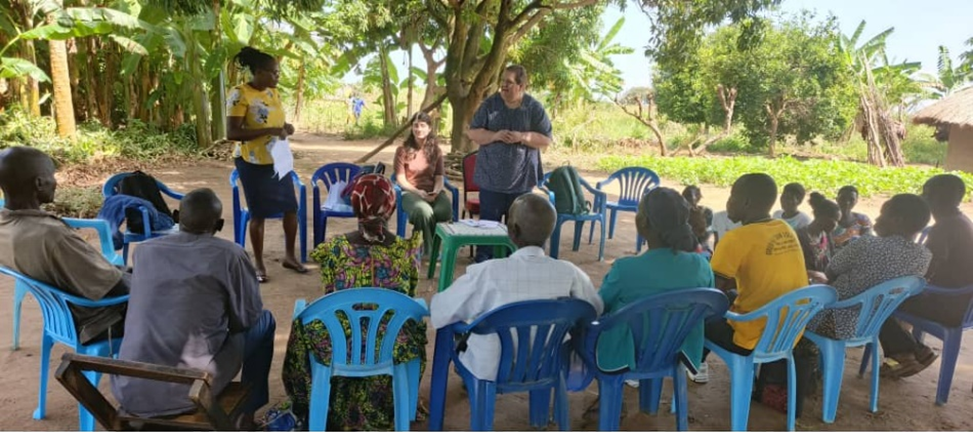
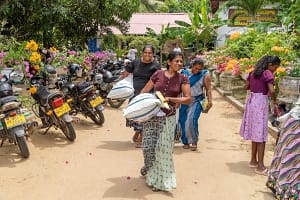
Figure 3: Community members in Owalo Sub-county participating in a Gender and Social Inclusion Focus Group Discussion facilitated by Dr. Karen from IWMI, aimed at capturing local perspectives on groundwater access and management.
A key component of the engagement was the Focus Group Discussions held in Owalo Sub-county (Figure 3). Bringing together women, youth, elders, persons with disabilities and water user committees, the discussions highlighted long distances to water points, increased borehole pressure during dry seasons, gaps in maintenance and governance and the unique challenges faced by marginalised groups. These community perspectives grounded the project in lived experience and will shape more inclusive and responsive project actions.
Across all engagements, a consistent message emerged: groundwater is indispensable, yet often overlooked until wells fail or water quality declines. G4DR aims to close this awareness gap by improving understanding of groundwater systems, strengthening monitoring and building capacity across institutions and communities. With momentum from the national launch and stakeholder workshop, Uganda is now well-positioned to advance groundwater resilience. The November activities demonstrated strong national ownership, broad stakeholder engagement and a clear path forward for protecting this vital resource for present and future generations.