By Alinet Mkupatira
Validating monitoring design to facilitate collaborative transboundary aquifer monitoring
The Groundwater for aDvancing Resilience in Africa (G4DR) project continues to move forward with its activities in the Shire River Basin to help enhance groundwater management and monitoring in the basin. Following the completion of the Shire River Basin hydro-census, efforts to design the shared monitoring network commenced, a process that required joint consultation and validation with both countries before advancing to implementation. This brought together various stakeholders, including the Ministers responsible for Water in Malawi and Mozambique, ARA-Centro, and team members from the International Water Management Institute (IWMI), for a two-day workshop in Tete, Mozambique. The meeting focused on presenting the hydro-census and gender assessment outcomes, as well as validating the design of the harmonised monitoring network. These discussions, together with planning for 2026 and exchanges on youth engagement activities – an important component of the project – formed the key outcomes of the workshop. This shared understanding set the tone for the informed discussions that followed.
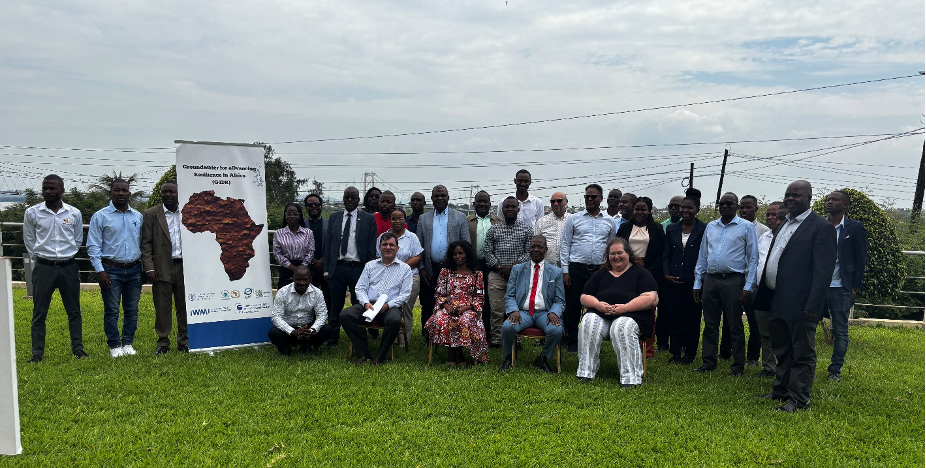
Figure 1: Participants at the Shire River Basin Validation Workshop held in Tete, Mozambique, from 12-13 November 2025.
Significance of collaboration on groundwater
Held over two days, the workshop opened with reflections on the importance of collaboration between Malawi and Mozambique in strengthening groundwater governance within a transboundary setting, which echoed through to appreciation of how in the Shire basin the dependence on groundwater for reliable supply for domestic use, agriculture, and other related livelihoods is quite high, making coordinated management & monitoring efforts not only useful but essential. This shared vision set the tone for informed discussions that followed.
Verification of on-ground conditions highlights opportunities for improved monitoring
Building on this, the workshop transitioned to a closer examination of the findings from the Shire River Basin hydrocensus, where the team unpacked what the assessment revealed about the current state of groundwater infrastructure across the 85 surveyed sites within the basin. The diversity of water points, ranging from production wells and observation boreholes to shallow wells and artesian systems, showed a clear picture of both the potential and the pressure facing groundwater resources in the basin & noted that while many boreholes were functioning well, others showed signs of disrepair or stood completely non-operational, signalling opportunities for rehabilitation and improved management.
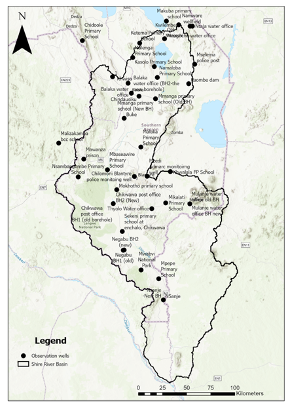
Figure 2: Boreholes/wells visited during the Shire Basin hydrocensus (Mozambique & Malawi)
Eight priority sites identified for new monitoring
The discussion on the hydrocensus results is naturally connected to the discussion on the proposed monitoring network design for the basin, where participants engaged in the criteria guiding the selection of monitoring points, with some participants highlighting the importance of focusing on the Lower Shire Alluvial Aquifer due to its productivity and strategic relevance for both countries. Eight priority sites were identified, with four in Malawi and four in Mozambique. These will be the first groundwater monitoring sites in Mozambique’s portion of the Shire.
Ensuring Gender and Social Inclusion in monitoring efforts and Involving Youth
Gender Equality, Social Inclusion (GESI) and youth involvement were also at the fore of discussions at the workshop, bringing attention to the social dynamics that underpin groundwater access and decision-making in the Shire River Basin, with the results from the Shire GESI assessment highlighting persistent inequalities affecting women, especially female-headed households, ranging from income and land tenure disparities to limited participation in decision-making. These findings reinforced the message that women’s perspectives are central to shaping the basin’s groundwater governance agenda, given their daily role in managing household water needs.
The discussion on inclusion carried through into the youth session, which was conducted through a collaborative exercise involving all participants. Rather than presenting a predefined plan, the session facilitated a group activity where stakeholders were asked to propose at least one objective and one concrete activity that the Youth Forum could undertake in the coming year. The ideas generated ranged from awareness-raising initiatives to practical community-based monitoring activities, reflecting a shared commitment to positioning young people as active contributors to groundwater governance in the basin. The exercise brought fresh energy into the room and underscored the value of creating structured opportunities for youth engagement within the G4DR project.
Looking toward 2026
With the harmonised network design validated, priority sites identified, gender and youth considerations discussed, and the 2026 workplan drafted, the direction for the year became clear – beginning with the finalisation of the monitoring network design, the advancement of drilling activities, and the completion of the Youth Action Plan.